

The Wattle Range Council conducts conferral ceremonies for approved Australian citizenship applicants residing in the Council area. Ceremonies are arranged when the Council is advised by the Department of Immigration and Border Protection that there are applicants available for conferral in the Council area.
Queries about citizenship applications, citizenship ceremonies and citizenship certificates can be addressed to the Department of Immigration and Border Protection by telephone to 131880 or by email to Adelaide.Citizenship@border.gov.au
History of Australian Citizenship
On 26 January 1949, the Nationality and Citizenship Act 1948 came into effect creating the new status of Australian citizen.
The first Australian citizenship ceremony took place at Albert Hall in Canberra on 3 February 1949, when seven men, one representing each state of Australia and the Australian Capital Territory, became citizens. They were from Czechoslovakia, Denmark, France, Greece, Norway, Spain and Yugoslavia.
During 1949, almost 2,500 people from more than 35 countries became Australian citizens at Australian citizenship ceremonies. Most were migrants from Italy, Poland, Greece, Germany and Yugoslavia.
Since then, more than 6 million people from over 200 nations across the globe have been granted Australian citizenship. Today, more than half of all Australians were born overseas or have a parent who was.
While we all have different cultures, experiences and languages, the Australian Citizenship Act 2007 (the Act) provides for a shared identity through citizenship, which unites all Australians while celebrating our diversity. The Act defines Australian citizenship and the pathways by which it can be acquired.
Australian Citizenship Day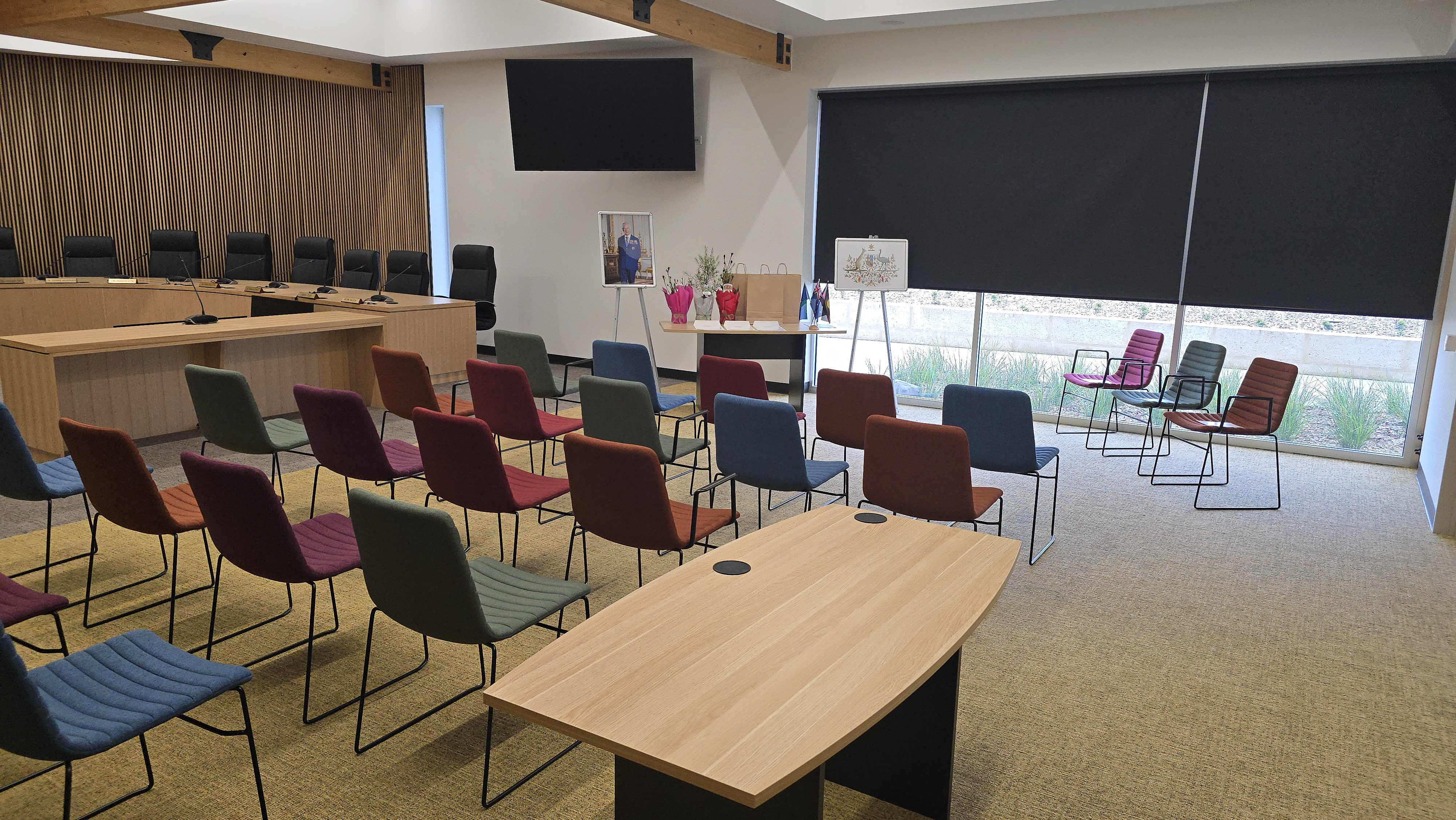
Australian Citizenship Day is celebrated each year on 17 September. The day was established by the Australian Government in response to a recommendation by the Australian Citizenship Council in their 2000 report Australian Citizenship for a New Century.
The day is an opportunity for all Australians to reflect on Australia’s proud migration history which has shaped our vibrant multicultural country into what it is today, the place we call home. It also provides an opportunity for all Australians to celebrate their Australian citizenship and reflect on the meaning and importance of Australian citizenship and the responsibilities and privileges we have as citizens.
Responsibilities of Australian citizens include obeying the laws of Australia; voting in federal and state or territory government elections, and in a referendum; and serving on a jury if called to do so.
Privileges enjoyed by Australian citizens include eligibility to seek election to parliament; the right to vote in federal, state or territory, and local government elections, and in a referendum; being eligible to apply for work in the Australian Public Service or in the Australian Defence Force; and the ability to hold an Australian passport and to receive help from Australian officials while overseas.
You will notice these core values, responsibilities and privileges reflected